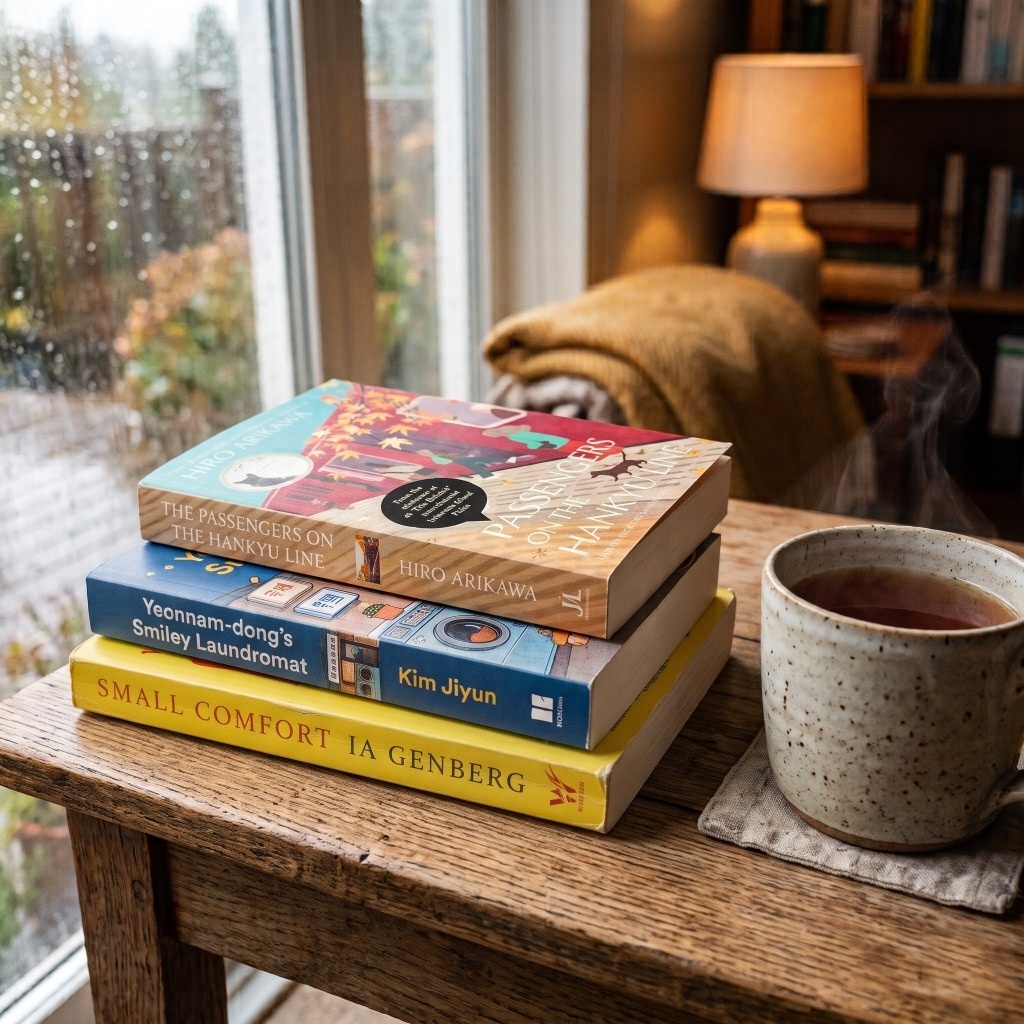
3 Quiet Novels in Translation to Read in a Single Weekend
Sometimes the ambitious bedside stack is too much. Three quiet novels in translation to read in one cozy weekend, from Sweden, Korea, and Japan.

The rain started Friday around six, the kind of steady, gray drizzle that settles in like a houseguest who has no intention of leaving. I stood at the window watching the street turn silver, holding a mug of tea that was warming my hands before it warmed anything else. Behind me, on the nightstand, sat my "ambitious stack"—the little tower of heavy, prize-winning volumes and thick histories I keep meaning to read.
This post contains affiliate links — see the disclosure for details. If you buy through them, it costs you nothing and keeps the lights on here.
I looked at the stack. The stack looked back, heavy with the silent judgment of a homework assignment.
So I bypassed it. Instead, I reached for a slim paperback I’d slipped into my bag earlier in the week—a Swedish novel I had been carrying around to the dentist and the coffee shop without ever actually opening. By Saturday afternoon, the rain was still falling, my second cup of coffee was lukewarm, and I was halfway through a book that made me forget the kitchen counter needed wiping.
I’ve noticed a pattern in my reading life lately: the busier the weeks get, the less room I have for the big, demanding novels. What I crave instead are quiet novels in translation. There is a particular shape to these books—slim enough to finish in a weekend, sharp enough to linger through the following Tuesday, and willing to let a page just sit there being true without explaining itself to death.
If your reading life has been crowded out by the low hum of a screen or the fatigue of a long week, you don’t need a heavier stack. You need books that are easy to be with.
Here are three exceptional, short translations from Sweden, Korea, and Japan that are perfect for a single quiet weekend.
01Small Comfort by Ia Genberg (Translated by Kira Josefsson)
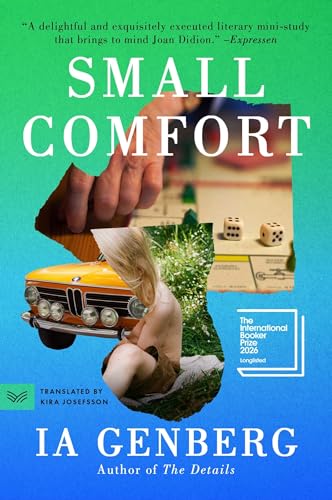
I’d told myself I was only going to read the first chapter of this Swedish novel before starting the laundry. I finished the entire book by Sunday night.
Small Comfort is structured as five interconnected stories loosely held together by a single, silent character: money. We meet a child star turned thief, a couple performing marital bliss to secure a family inheritance, and an employee navigating a strange corporate disappearance. It made the International Booker longlist this year, which usually makes me worry a book will be "good for me" in the way that flossing is good for me.
But Genberg’s writing isn’t homework. The prose moves with a dry, observational wit that made me laugh out loud twice and then feel slightly guilty about it, which is the exact response you want when a book is being funny about something serious.
Underneath the humor, it asks a very real question: what does money do to our relationships, our secrets, and the versions of ourselves we show to others? In a culture where money is treated as the one subject too impolite to write about honestly in fiction, Genberg walks right up to it and takes notes. It is a perfect choice for short books for summer reading that feel light in the hand but heavy in the mind.
- Purchase options: Bookshop.org · Amazon
02Yeonnam-Dong’s Smiley Laundromat by Kim Jiyun (Translated by Shanna Tan)
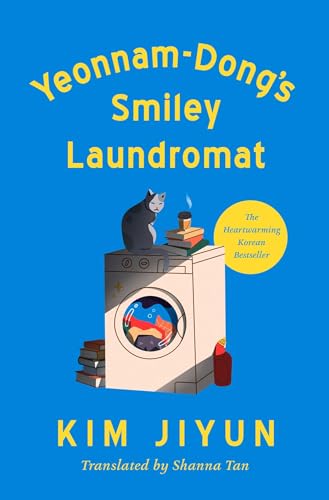
There is a rapidly growing shelf of Korean "healing fiction" arriving in English translation, but this one is the most grounded. The story is set in a cozy, warm laundromat in a gentrifying corner of Seoul, run by an elderly man named Old Jang who sits outside with his Jindo dog.
The heart of the book is an olive-green diary left behind on a folding table. Over the course of a few months, customers begin using it as an anonymous confessional. A struggling screenwriter writes about her fear of failing; a young man confesses his loneliness; a mother writes about her budget. Slowly, other customers read the pages and begin leaving small, handwritten notes of comfort, advice, and solidarity in the margins.
What could easily turn into sentimentality is kept honest by the specific, messy realities of the characters' lives. The book reads like a quiet defense of ordinary connection in a city that is moving too fast. It’s the kind of novel you read while sitting under a blanket on a Sunday afternoon, feeling a little less solitary with every page you turn.
- Purchase options: Bookshop.org · Amazon
03The Passengers on the Hankyu Line by Hiro Arikawa (Translated by Allison Markin Powell)
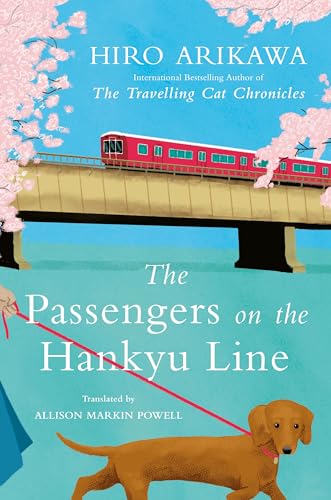
This Japanese novel takes place entirely on a short, local train line that runs a 15-minute loop between Takarazuka and Nishinomiya.
The structure is beautiful in its simplicity. The first half of the book, The Outbound Journey, introduces us to several passengers carrying their private griefs on the train: a woman wearing a white wedding dress to humiliate the fiancé who betrayed her, a college student trying to escape a relationship that feels like a trap, and an elderly woman traveling with her granddaughter. Six months later, during The Return Journey, we see how brief, chance encounters with strangers on those train seats quietly shifted their lives.
Arikawa writes about the "tiny knots" of daily life. It is a gentle reminder that we are all walking around with silent histories, and that sometimes, a single thoughtful sentence from a stranger on a train is enough to help us decide which station to get off at. It is slim, lovely, and can be read comfortably in a single sitting.
- Purchase options: Bookshop.org · Amazon
04The Joy of the Pause
By Sunday evening, the rain had stopped, leaving the streets smelling of wet asphalt and cut grass. The three books were stacked on the wooden table looking innocent, the way finished books do.
I used to think that the point of a reading goal was the number at the end of the year—the box checked, the list completed. But the older I get, the less interested I am in finishing. I am interested in the pause. The sentence that makes you set the book down on your knee. The paragraph you read three times, not because you need to remember it, but because it felt like yours for a second.
A short book read slowly does more for a tired mind than a long book skimmed in a rush.
What was the last short book that took you hostage for a weekend? Did you plan to finish it, or did it just happen?
I read every note. The comment section here is the quietest corner of the internet — come sit.
Leave a note
Comments
Post a Comment