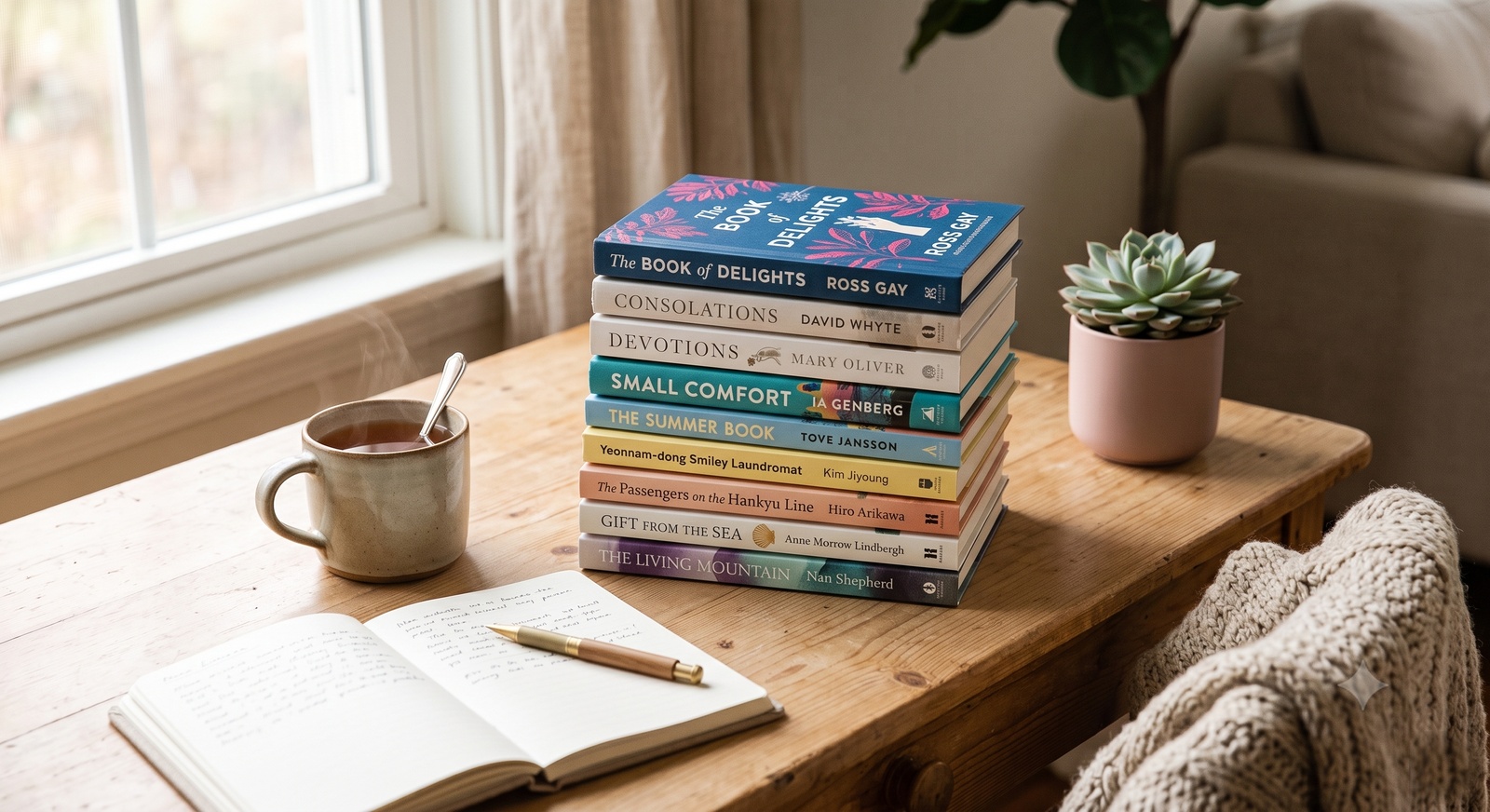
Short Books and Short Reads for the Weeks When You’re Tired
Nine researched choices, with shorter books, longer collections, edition lengths and places to pause.

Picture a bookmark a few pages into a book, waiting while you decide whether to read or turn out the light. If you are looking for short books for people who are tired, two different things may help: a shorter book to finish, or a self-contained piece you can read without finishing its collection.
This researched selection includes both. Some are substantial volumes; their lengths are shown below to avoid a surprise three-hundred-page commitment.
How these were chosen: publisher descriptions, edition records and the linked guides inform the facts; the reader-fit notes are suggestions, not personal reading reports. Lengths refer to the specified print editions, not every format. Short does not guarantee easy, soothing or quick.
This post contains affiliate links. If you buy through them, I may earn a commission at no extra cost to you. As an Amazon Associate I earn from qualifying purchases. See the terms and disclosures.
01Choosing short books for people who are tired
If you want a shorter whole, look first at The Summer Book, Gift from the Sea or The Living Mountain. For one piece at a time, consider an essay or poem. A visible stopping place may matter more tonight than the thickness of the spine.
| Book | Linked print edition / form | Consider before choosing |
|---|---|---|
| The Book of Delights | 288 pages · essays | Short observations; includes grief and racism |
| Consolations | Page count varies in records · reflective essays | Word-centred pieces; includes despair and heartbreak |
| Devotions | 480 pages · selected poems | One poem at a time; nature, grief and spiritual questions |
| Small Comfort | 304 pages · five linked stories | Money and relationships; theft, death and conflict |
| The Summer Book | 184 pages · 22 vignettes | Island life; bereavement, aging and mortality |
| Yeonnam-Dong's Smiley Laundromat | 320 pages · community novel | A notebook connects neighbours; includes a darker mystery |
| The Passengers on the Hankyu Line | 256 pages · linked encounters | Train journeys; an abusive relationship |
| Gift from the Sea | 160 pages in current paperback listing · reflective prose | Seashells, solitude and relationships; a 1955 perspective |
| The Living Mountain | 176 pages · nature writing | The Cairngorms; close observation rather than a plot-led story |
Page counts come from the linked publishers unless stated otherwise. Gift from the Sea uses the currently listed paperback count; older copies may differ. Small Comfort's US count comes from a bookseller; Consolations is left unnumbered because records conflict. Read a sample if language or emotional material matters more than length.
02Collections to read one piece at a time
The Book of Delights
Ross Gay
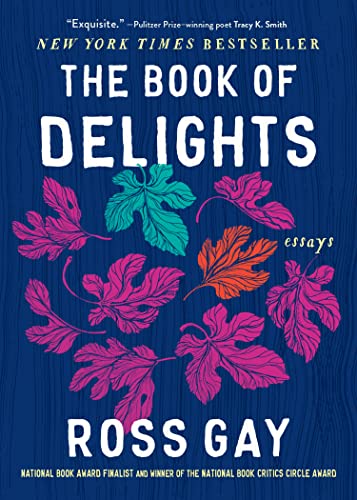
Gay spent a year writing about moments of delight. The result is a collection of short lyrical essays, with everyday encounters beside bereavement, racism and the pressures of consumer culture. Delight sits alongside difficulty.
Consider this when you want a complete piece rather than another chapter to remember. Its 288-page paperback is not especially short as a whole. Choose an essay, without expecting a cheerful ending.
Research sources: Publisher: paperback and synopsis.
Consolations
David Whyte
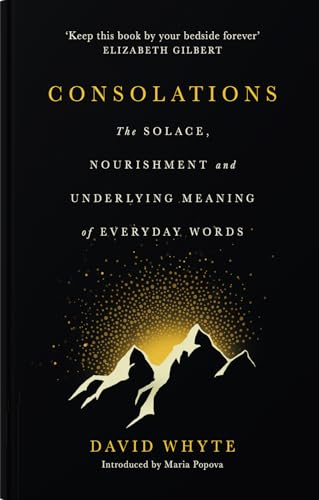
Whyte builds reflective essays around familiar words, including anger, friendship and loneliness. Choose a word when sitting with one idea appeals more than following a plot.
Brief does not necessarily mean simple. The subjects include despair, heartbreak and pain, and the language may invite rereading. Catalogue records for the linked ISBN disagree on page count; the current author-store edition has also been revised. Check the edition if length matters to you.
Research sources: Author: form and revised edition; Library record: linked ISBN; Second catalogue record.
Devotions
Mary Oliver

This selection brings together poems from more than five decades of Oliver's work. The publisher describes attention to the natural world and the questions of being human. Grief and spiritual reflection belong here alongside birds, trees and the act of noticing.
At 480 pages, the linked paperback is a long collection. Choose one poem, without expecting quick or effortless reading. If large volumes feel like unfinished business, consider a shorter book below.
Research sources: Publisher: paperback, selection and themes.
03Stories and reflective prose, with lengths in view
Small Comfort
Ia Genberg · translated by Kira Josefsson
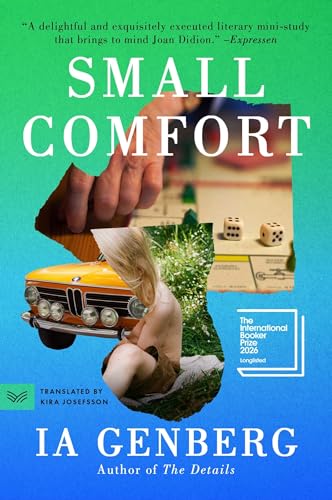
Five interconnected stories examine money, status and relationships. The official Booker account includes theft, a mysterious death and the tensions of inheritance. It was longlisted for the 2026 International Booker Prize.
The linked US paperback is 304 pages. Choose it for the linked-story form and its social questions, with more room for tension than the title might suggest. It is a longer alternative, with connected stories rather than pieces to read in any order.
Research sources: Booker: stories, translator and 2026 longlist; Bookseller: linked US edition and length.
The Summer Book
Tove Jansson · translated by Thomas Teal

Sophia and her grandmother spend a summer on a small island in the Gulf of Finland. NYRB describes the novel as twenty-two vignettes: linked scenes that give the season its shape. The selected English paperback is 184 pages.
Consider it for a shorter whole with visible places to pause. Sophia's mother has died, and the publisher's reading guide brings grief and mortality into view. Read a sample if bereavement feels too close tonight.
Research sources: Publisher: edition, translator and form; Publisher reading guide: themes.
Yeonnam-Dong's Smiley Laundromat
Kim Jiyun · translated by Shanna Tan
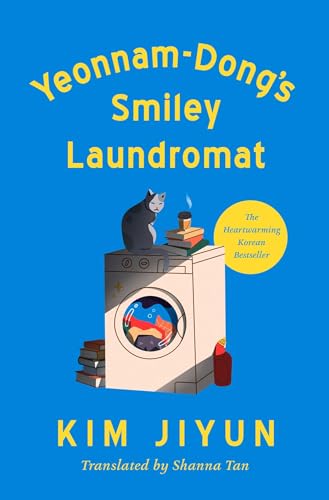
A laundromat in Seoul becomes a meeting place, and a notebook allows visitors to leave messages and respond to one another. The publisher describes neighbours whose problems draw them into connection, with a darker story and a mystery behind it.
The linked hardcover is 320 pages, so this is a longer community-story option. Consider it if returning to a shared place appeals more than reaching the last page quickly. A welcoming setting does not remove its difficult personal circumstances.
Research sources: Publisher: hardcover and story details; LTI Korea: translation record.
The Passengers on the Hankyu Line
Hiro Arikawa · translated by Allison Markin Powell
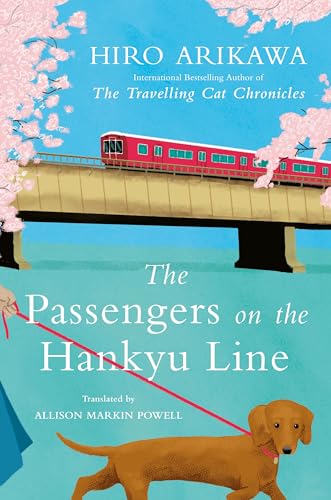
Passengers' lives cross along a Japanese railway line, with the narrative returning to characters six months later. The encounters connect, rather than ending as strangers leave the train.
Consider it for a moving shared setting rather than one central household. The linked hardcover is 256 pages, and an abusive boyfriend is among the publisher's story details. Leave time to pick up the connections between passengers after a pause.
Research sources: Publisher: hardcover, translator and story.
Gift from the Sea
Anne Morrow Lindbergh

First published in 1955, this book uses shells gathered during a seaside stay as starting points for reflections on solitude, relationships and the demands of life. Consider an idea rather than following a cast of characters.
Read it with its period in view. Its assumptions about women's lives and marriage may feel familiar, distant or both. Choose reflective prose rather than expecting contemporary advice or a remedy for exhaustion.
Research sources: Publisher: currently listed paperback and background.
The Living Mountain
Nan Shepherd
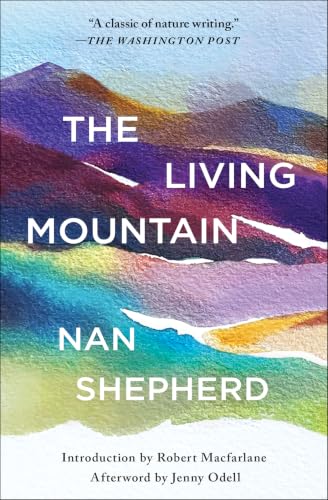
Shepherd writes about the Cairngorms through landscape, weather, plants, animals and the experience of walking. The selected Scribner paperback is 176 pages. It includes summits; the distinction is her interest in the mountain world beyond the achievement of reaching the top.
Choose this if sustained attention to place sounds welcome. There is less reliance on a conventional plot than in the novels above, but descriptive prose can still ask for concentration. Try a few pages to see whether this is the sort of quiet you want.
Research sources: Publisher: edition and opening excerpt.
04Choose a stopping place, not a deadline
You can decide on an essay, a poem or the next natural break before opening the cover. If a book asks for more attention than you have, choosing something else need not become another task to explain.
For more options, the reading-slump guide compares pace and intensity. There are also short books in translation and five cozy books under 250 pages. For the routine around the book, try a quieter approach to reading mindfully.
I read every note. The comment section here is the quietest corner of the internet — come sit.
Leave a note
Comments
Post a Comment