How to Choose a Book When You Cannot Decide
How to choose a book: five practical ways to use your own shelves, sample an opening and find a reading pace that suits you.
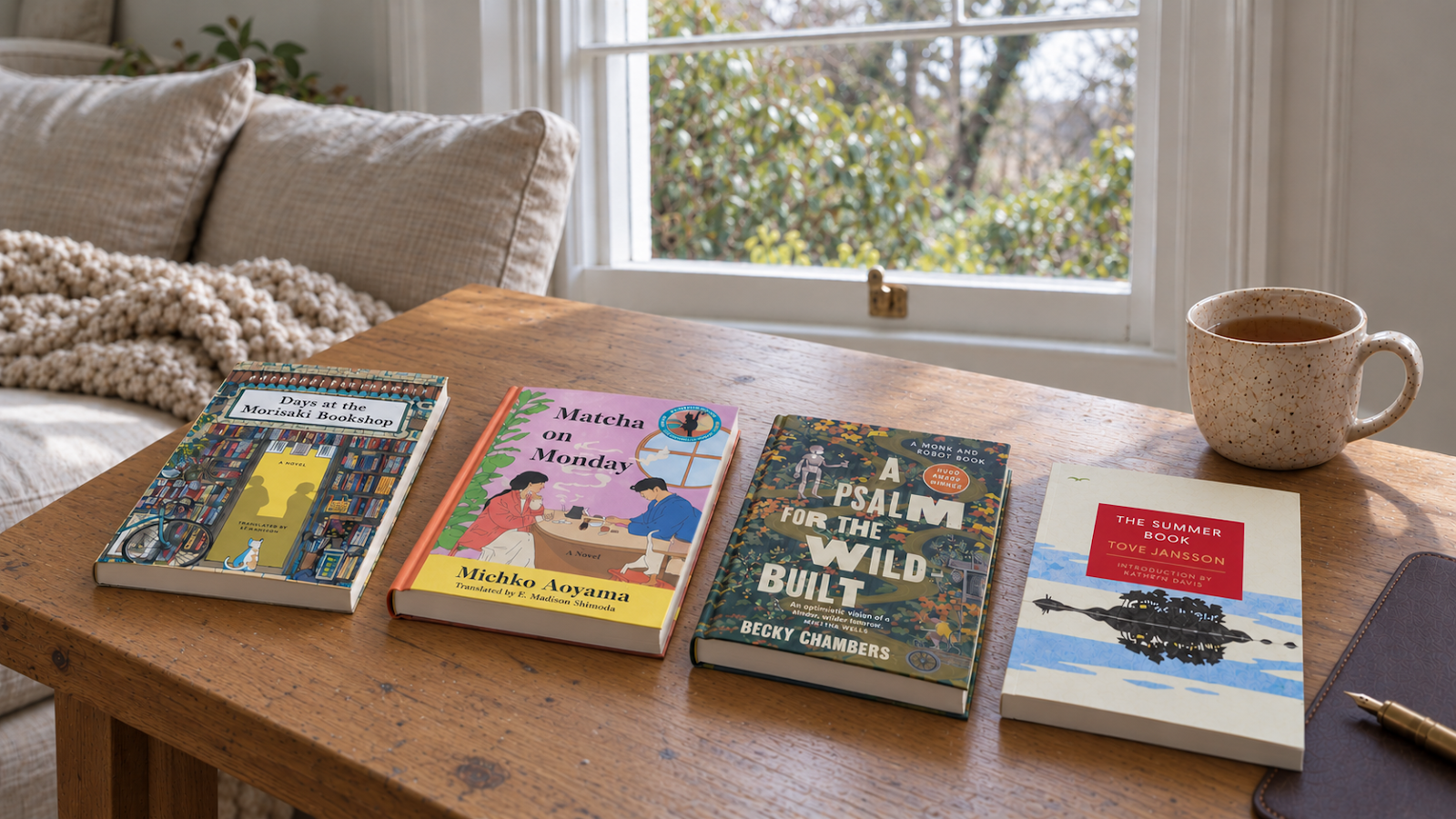
AI-created illustration of a reading corner.
How to choose a book when several look promising? Start with a small decision: what would you like from the next few pages? Then sample one book you already own or can borrow. You are choosing something to begin, not signing up to finish it tonight.
The five approaches below are suggestions to try and adapt to your reading life. The book examples are researched selections based on linked publisher descriptions and edition records. Use them to understand the approach; buying a new book is optional.
This post contains affiliate links. If you buy through them, Quietly Evelyn may earn a commission at no extra cost to you. See the disclosure. As an Amazon Associate I earn from qualifying purchases.
01How to choose a book by energy level, not genre
Genre is useful, but it does not tell you everything about the attention a book may ask for. A short novel can be densely written; a longer collection may let you read one piece and stop. Look for a form that interests you, then inspect a sample.
- If interruptions are likely: look for essays, stories or clearly marked sections you can return to.
- If you want a story: try the opening and see whether you want to follow the people in it.
- If you want something to linger over: nature writing or reflective prose may be worth sampling.
These are options, not levels you need to progress through. A familiar novel might suit you better than a new collection on any given evening.
A book to consider: The Living Mountain by Nan Shepherd
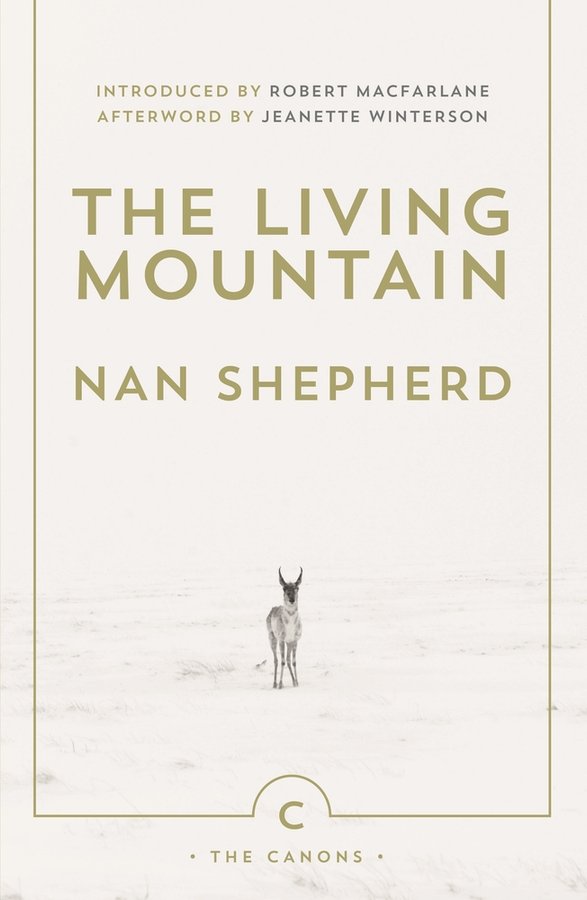
Canongate hardback: 176 pages, ISBN 9781786897350. The Amazon paperback is a different edition: 160 pages, ISBN 9780857861832.
Canongate describes Shepherd's exploration of Scotland's Cairngorms through the landscape and her encounters with it. This is nature writing rather than a novel with a cast to keep track of.
Consider it if: close attention to a place appeals more than following a plot. Choose another if: you want a strong storyline to pull you along. Reflective prose can still ask for concentration; a thin book is not automatically an effortless one.
Source: Publisher description.
Find it: Bookshop.org · Amazon
02The five-page kitchen table test
A description can tell you the premise. A sample lets you meet the sentences. Try roughly five pages from a library copy, a book you own or a publisher sample. Five is a convenient starting point, not a pass mark.
- Do I enjoy this voice?
- Am I willing to give it the attention it asks for?
- Is there something I want to find out on the next page?
You might need more than a few pages to settle into an unfamiliar style. Equally, you do not have to talk yourself into it tonight. The point is to notice your response rather than borrow someone else's verdict.
A book to consider: Days at the Morisaki Bookshop by Satoshi Yagisawa
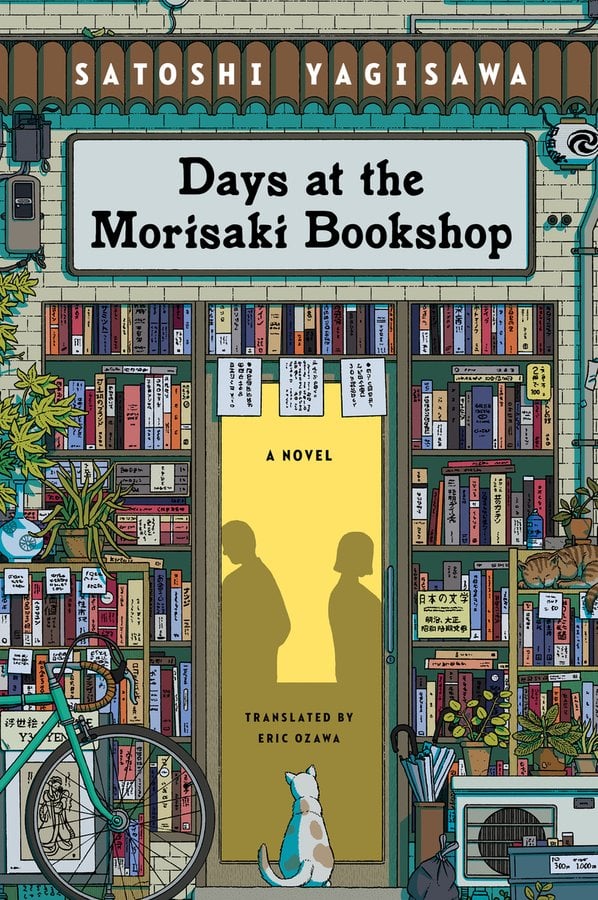
Translated from Japanese by Eric Ozawa · Harper Perennial paperback · 160 pages · ISBN 9780063278677.
Bonnier's synopsis introduces Takako, who moves into her uncle's Tokyo bookshop after a relationship betrayal. It is a candidate to sample if a bookshop setting and starting-over story interest you.
Check before choosing: the story includes depression and difficult relationships. Its first pages will not pass the same test for everyone. Read an available sample and decide whether the voice suits you; this recommendation is based on research, not a claim that Evelyn personally tested the opening.
Source: Publisher description. Print-edition details.
Find it: Bookshop.org · Amazon
03Look for natural stopping points
Our note The Number I Took Out considers choosing beyond a page-count rule. Length is useful information, but it cannot tell you where a book lets you pause.
- Scan the contents for separate essays, stories or episodes.
- Look at a chapter or two for section breaks.
- Check whether the pieces connect closely enough that you will want to remember earlier events.
A bookmark can go between chapters or in the middle of one. You do not owe a chapter the rest of your evening.
A book to consider: Matcha on Monday by Michiko Aoyama
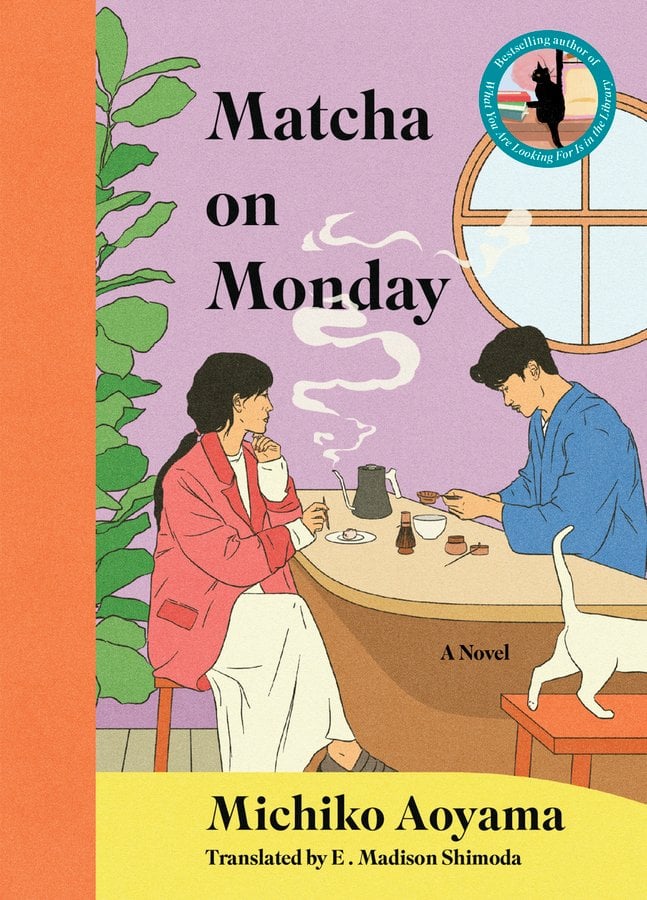
Translated from Japanese by E. Madison Shimoda · Hanover Square Press hardcover · 208 pages · ISBN 9781335001924.
Harlequin describes a café that becomes the Matcha Café on Mondays, with connected lives unfolding across Tokyo and Kyoto over twelve months. Its customers include a singer after a breakup and a tea wholesaler. The book is part of the Marble Café series.
Consider it if: you like stories linked by people and a recurring place. Check before choosing: these are connected episodes, not a promise that every chapter stands alone. Look at the contents and a sample for a stopping point that works for you. Relationship and family tensions are part of the premise.
Source: Publisher description. Publisher-supplied synopsis and US edition record at Bookreporter.
Find it: Bookshop.org · Amazon
04Make a three-book coffee table shortlist
If browsing the whole shelf keeps delaying the reading, try a smaller selection. This is a practical experiment, not a claim that three is the scientifically correct number of books.
- Choose two or three books that interest you for different reasons.
- Put them somewhere convenient, or save their library records together.
- Pick one to sample. Change the shortlist whenever it stops being useful.
You could include a familiar book, a different form and something new to you. Our free Book Oracle offers another browsing prompt if you want an outside nudge.
A book to consider: A Psalm for the Wild-Built by Becky Chambers
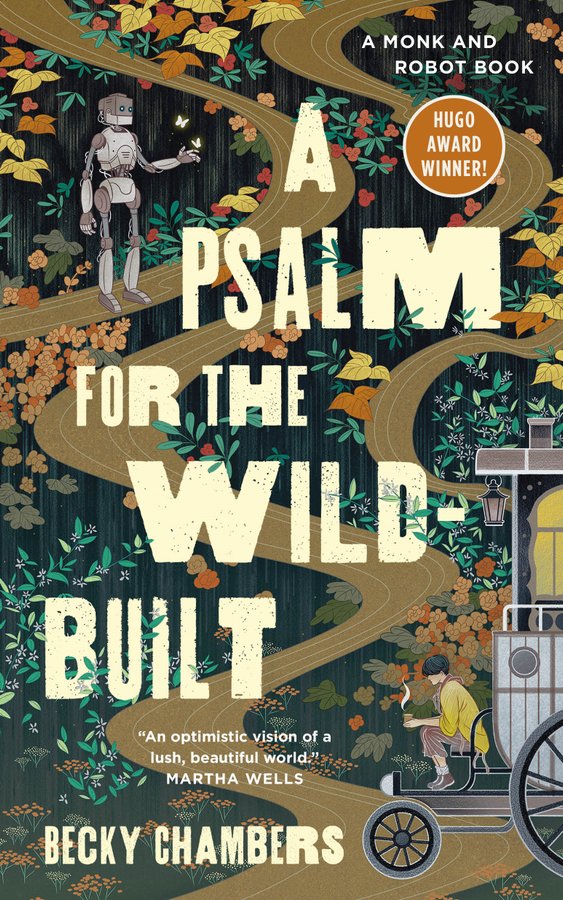
Tordotcom hardcover · 160 pages · ISBN 9781250236210.
Macmillan introduces a tea monk whose life changes when a robot arrives to find out what humans need. The first Monk and Robot novella offers a science-fiction option for a shortlist otherwise full of realist stories.
Consider it if: questions about purpose and needs sound interesting. Choose another if: you want to avoid invented-world details or philosophical conversation. The publisher's opening excerpt also contains strong language. Hopeful fiction is not necessarily the same thing as a book with no difficult feelings.
Source: Publisher description and excerpt.
Find it: Bookshop.org · Amazon
05Treat opening a book as a visit, not a contract
Opening a book does not commit you to the final page. You can like the idea of a novel and still want something else after a chapter. There is room for that change of mind.
Treat the first reading as a visit. Notice whether you would like to stay, leave or come back later. A book set aside can remain a possibility without becoming unfinished homework.
For a quieter reflection on staying with a page, see The Bookmark I Never Move.
A book to consider: The Summer Book by Tove Jansson
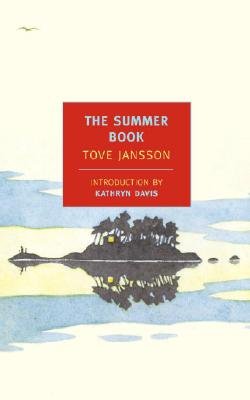
Translated from Swedish by Thomas Teal · NYRB Classics paperback · 184 pages · ISBN 9781590172681.
NYRB describes twenty-two vignettes about six-year-old Sophia and her grandmother on an island in the Gulf of Finland. Their days include exploring the shore, making bark boats and talking about life and death.
Consider it if: a sequence of small episodes suits the way you want to read. Choose another if: you need a strongly driven plot or want to avoid reflections on mortality. Its form offers possible pauses, not a guarantee that every episode feels light.
Source: Publisher description.
Find it: Bookshop.org · Amazon
A small companion for your next reading
If you would like somewhere to keep a line or thought from what you read, The Reading Page is a free printable sheet available with the weekly letter. It works with a book you already have.
A Google account is required to comment here. I read every note and welcome yours.
Sign in with Google to comment
Comments
Post a Comment